

Women are often told to “tone,” not lift.
To stay small. To avoid muscle.
To believe that strength training will somehow make them bulky or “too much.”
But your biology tells a different story.
For women, muscle is not an aesthetic goal — it’s a health requirement.
It supports your hormones, your bones, your metabolism, your energy, and the way you age.
And here’s what the research actually shows:
Just two strength-training sessions per week can dramatically improve a woman’s long-term health — without making her look like a bodybuilder.
You won’t turn into the Hulk.
You won’t suddenly become “too muscular.”
You will build the tissue that keeps you strong, stable, and resilient.
Muscle protects your bones.
Muscle keeps your metabolism active.
Muscle stabilizes mood and energy.
Muscle helps you age with strength instead of decline.
This isn’t about fitness culture.
This is about science — and about giving women access to the tools they were never taught to use.
Now let’s break down the five reasons every woman should be lifting.

5 reasons why women should do weight training (Backed by Science)
January 3, 2026
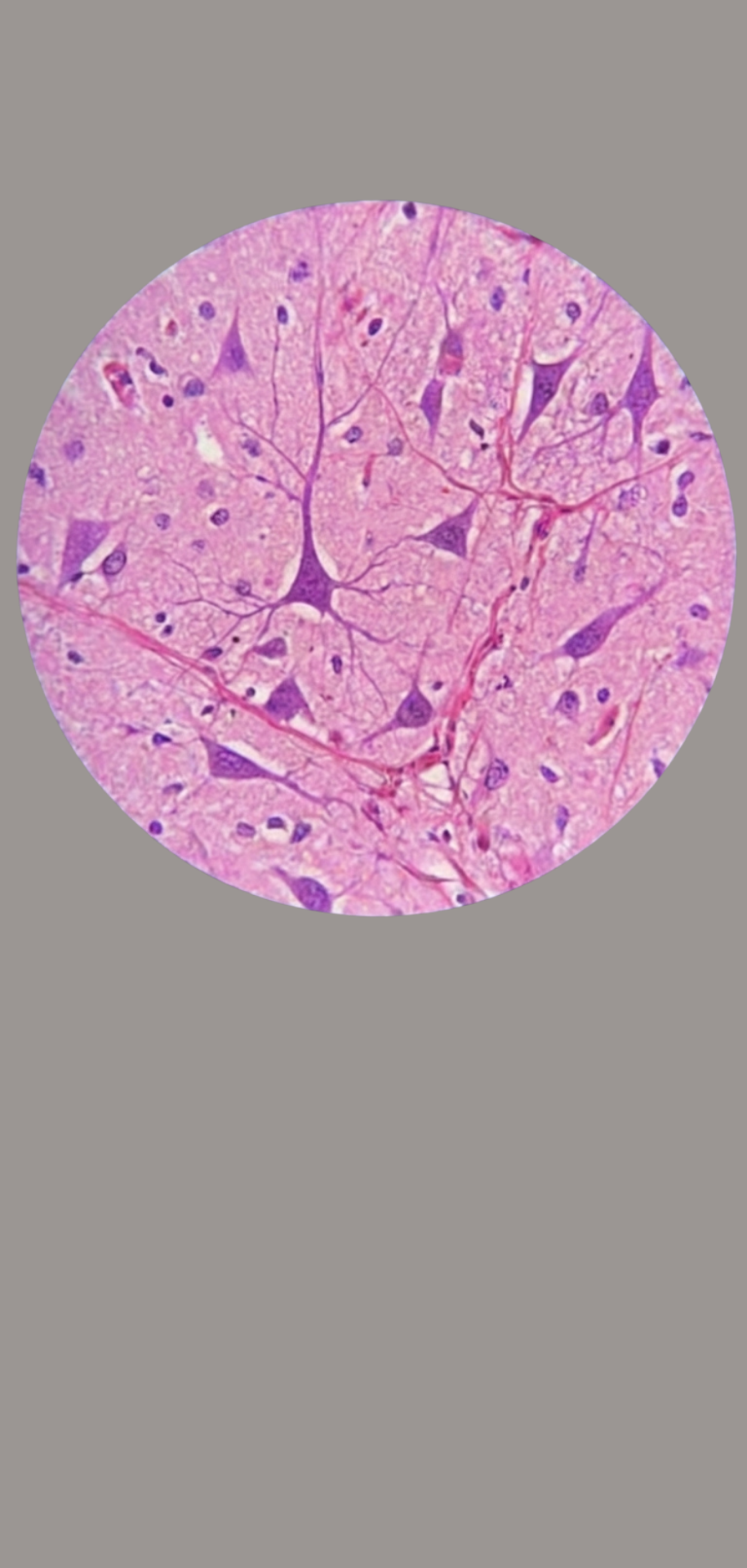
5 reasons why women should do weight training (Backed by Science)
January 3, 2026
1. Stronger Bones, Fewer Fractures
Women are disproportionately affected by bone loss.
Up to 1 in 3 women over 50 will experience an osteoporotic fracture.1
Why?
Estrogen decline.
Lower baseline bone density.
Pregnancy/postpartum demands.
Smaller muscle mass.
And yes — years of being told to avoid heavy lifting.
But here’s the truth:
Up to 1 in 3 women over 50 will experience an osteoporotic fracture.1
Why?
Estrogen decline.
Lower baseline bone density.
Pregnancy/postpartum demands.
Smaller muscle mass.
And yes — years of being told to avoid heavy lifting.
But here’s the truth:
“Because bone is living tissue… it requires regular stimulation from physical activity. Like muscles, bones should be used regularly or they will deteriorate.”
— International Osteoporosis Foundation1
— International Osteoporosis Foundation1
Bone is not static. It's a dynamic tissue that responds.
That'w why, when women strength train, bone density improves. Muscle pulls on bone, and the bone responds by getting stronger.”2,3
The spine and hips — the most fracture-prone areas — respond especially well to strength training.
Even beginners benefit from 2–3 sessions per week.
Meaning that eery rep you perform reminds your bones to stay strong.
That'w why, when women strength train, bone density improves. Muscle pulls on bone, and the bone responds by getting stronger.”2,3
The spine and hips — the most fracture-prone areas — respond especially well to strength training.
Even beginners benefit from 2–3 sessions per week.
Meaning that eery rep you perform reminds your bones to stay strong.
2. Muscle = Metabolism, Longevity & Everyday Energy
Women start with less muscle than men — and lose it faster with age, dieting, stress, and hormonal shifts.4,5
Low muscle mass is linked with:
• slower metabolism • easier fat gain • poor blood sugar control • lower strength and mobility • increased mortality risk in older adults4,6
This is why longevity physicians emphasize building muscle early and maintaining it relentlessly.
Dr. Gabrielle Lyon, a physician in muscle-centric medicine, puts it bluntly:
Low muscle mass is linked with:
• slower metabolism • easier fat gain • poor blood sugar control • lower strength and mobility • increased mortality risk in older adults4,6
This is why longevity physicians emphasize building muscle early and maintaining it relentlessly.
Dr. Gabrielle Lyon, a physician in muscle-centric medicine, puts it bluntly:
“Muscle is the organ of longevity.”7
It determines:
• how well your body resists disease • how resilient your metabolism is • how gracefully you age • how much energy you have to live your life
Weight training is not a calorie-burning tool —
it is a metabolic investment strategy.
• how well your body resists disease • how resilient your metabolism is • how gracefully you age • how much energy you have to live your life
Weight training is not a calorie-burning tool —
it is a metabolic investment strategy.
3. Hormones, Mood & Brain Health
Your muscles aren’t just attached to bones — they’re connected to your endocrine system, nervous system, and brain.
When you lift weights, your muscles release myokines — signaling molecules that influence mood, inflammation, metabolism, and cognition.8
This is why resistance training consistently improves mental health.
A landmark meta-analysis in JAMA Psychiatry found:
When you lift weights, your muscles release myokines — signaling molecules that influence mood, inflammation, metabolism, and cognition.8
This is why resistance training consistently improves mental health.
A landmark meta-analysis in JAMA Psychiatry found:
“Resistance exercise training significantly reduced depressive symptoms… regardless of volume or improvements in strength.”9
Meaning: you don’t need to lift heavy or perfectly —
just lifting helps your mind.
And during perimenopause and menopause?
When estrogen drops, muscle becomes even more important for:
• mood stability • anxiety resilience • cognitive clarity • sleep quality • metabolic steadiness
Strength training becomes a hormonal buffer, not a hobby.
just lifting helps your mind.
And during perimenopause and menopause?
When estrogen drops, muscle becomes even more important for:
• mood stability • anxiety resilience • cognitive clarity • sleep quality • metabolic steadiness
Strength training becomes a hormonal buffer, not a hobby.
4. Strong Women Age Better: Independence, Falls & Fracture Prevention
The combination of low muscle + low bone — called osteosarcopenia — is one of the strongest predictors of:
• frailty • falls • fractures • loss of independence
Especially in women.5
But research shows:
Strength training improves leg strength & balance.10
It reduces fall risk.
It helps older adults maintain the ability to stand, carry groceries, climb stairs, and live independently.
If cardio helps you live longer,
muscle helps you live better.
• frailty • falls • fractures • loss of independence
Especially in women.5
But research shows:
Strength training improves leg strength & balance.10
It reduces fall risk.
It helps older adults maintain the ability to stand, carry groceries, climb stairs, and live independently.
If cardio helps you live longer,
muscle helps you live better.
5. It’s Doable — and Nutrition Makes It More Powerful
The World Health Organization recommends muscle-strengthening activities at least two days per week.11
That can be:
• dumbbells • kettlebells • resistance bands • machines • or your own body weight
You can do it at home, at the gym, or anywhere you have gravity.
Protein + Creatine = Better Results
Women often under-consume the two nutrients that make strength training more effective:
• Protein — the building material for muscle • Creatine — the energy support system for muscle, bone-loading, cognition, and recovery12
Although creatine is often marketed to men, women actually:
• store less creatine • consume less creatine from diet • benefit more dramatically from supplementation • especially during hormonal transitions (cycle, pregnancy/postpartum, perimenopause, menopause)
Creatine doesn’t make you bulky.
It makes you capable.
That can be:
• dumbbells • kettlebells • resistance bands • machines • or your own body weight
You can do it at home, at the gym, or anywhere you have gravity.
Protein + Creatine = Better Results
Women often under-consume the two nutrients that make strength training more effective:
• Protein — the building material for muscle • Creatine — the energy support system for muscle, bone-loading, cognition, and recovery12
Although creatine is often marketed to men, women actually:
• store less creatine • consume less creatine from diet • benefit more dramatically from supplementation • especially during hormonal transitions (cycle, pregnancy/postpartum, perimenopause, menopause)
Creatine doesn’t make you bulky.
It makes you capable.
References
International Osteoporosis Foundation. “Move It Or Lose It: Exercise Vital To Build Strong Bones.” ScienceDaily; 2005.
Zhao R, et al. “The effects of resistance training on bone mineral density in postmenopausal women: A systematic review and meta-analysis.” Osteoporosis International; 2015.
Kelley GA, Kelley KS. “Exercise and bone mineral density in postmenopausal women: A meta-analysis of randomized controlled trials.” American Journal of Physical Medicine & Rehabilitation; 2011.
Clynes MA, et al. “Sarcopenia in older people: Aetiology and clinical consequences.” Maturitas; 2015.
Iolascon G, et al. “Osteosarcopenia: Beyond age-related bone and muscle changes.” European Journal of Internal Medicine; 2014.
Cheung YTD, et al. “Muscle-strengthening activities and risk of all-cause and cardiovascular disease mortality in women and men (JAMA-style analysis / JACC 2024).”
Lyon G. “Why Muscle is the Organ of Longevity.” Various media interviews and educational content (e.g., podcast appearances and articles).
Pedersen BK. “Physical activity and muscle–brain crosstalk.” Nature Reviews Endocrinology; 2019.
Gordon BR, et al. “Association of Efficacy of Resistance Exercise Training With Depressive Symptoms: Meta-analysis.” JAMA Psychiatry; 2018;75(6):566–576.
de Labra C, et al. “Effects of physical exercise interventions in frail older adults: A systematic review of randomized controlled trials.” BMC Geriatrics; 2015.
World Health Organization. “Guidelines on Physical Activity and Sedentary Behaviour.” Geneva: WHO; 2020.
Smith-Ryan AE, et al. “Creatine Supplementation in Women’s Health: A Lifespan Perspective.” Nutrients; 2021.
4.8
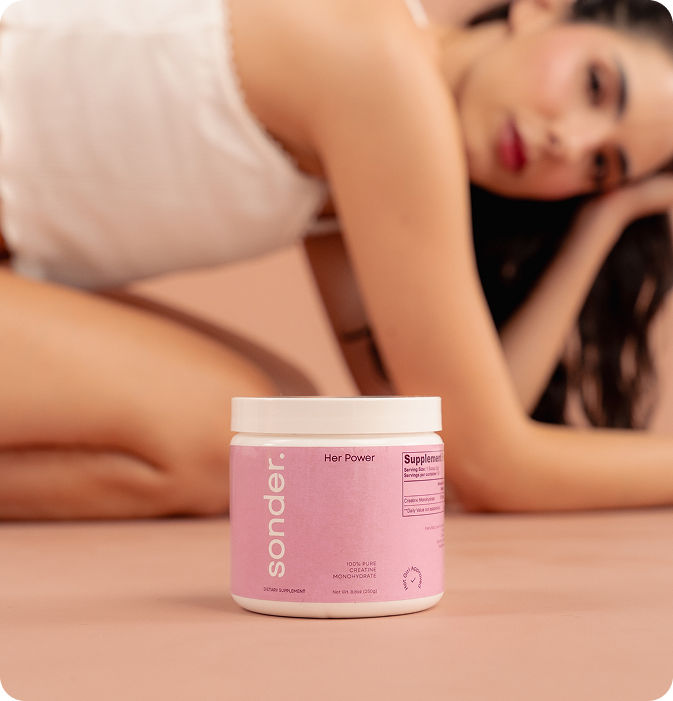
Her Power Creatine gives your muscles the energy they need to grow, repair, and protect you. It works where your strength begins—inside your cells
Shop Now
4.8
Her Power Creatine gives your muscles the energy they need to grow, repair, and protect you. It works where your strength begins—inside your cells
Shop Now


Previous Article


Next Article